
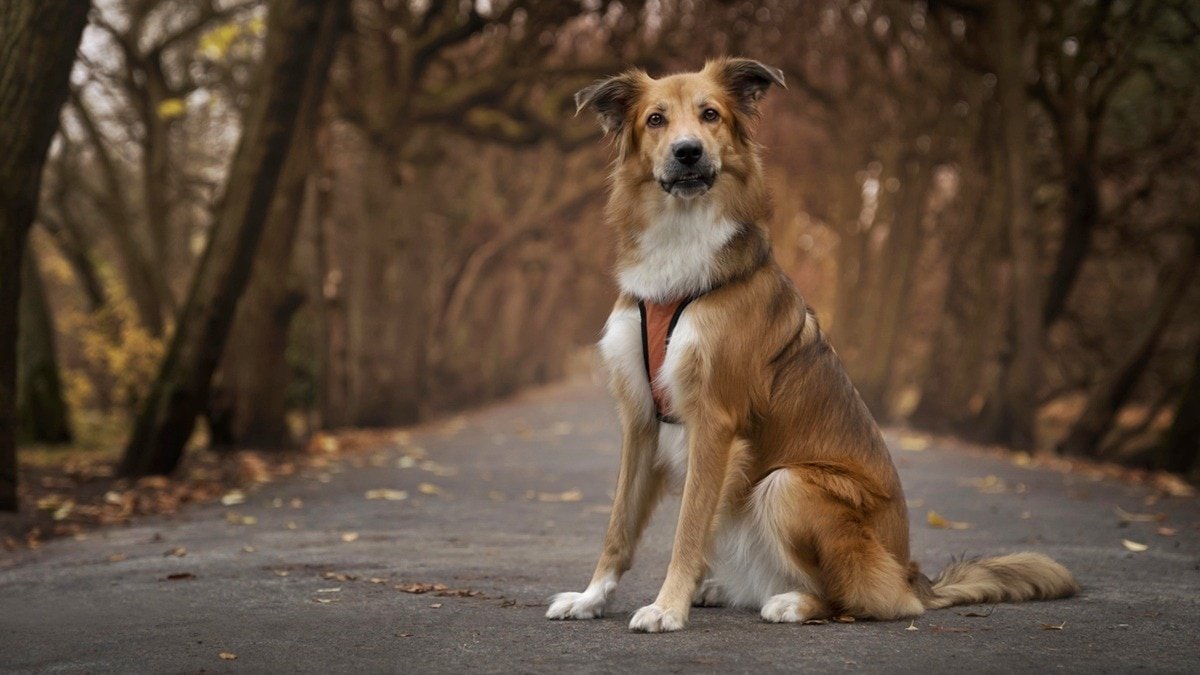
An Incredible Find in Paleontology
A team of researchers has uncovered what could be considered a groundbreaking discovery in paleontology, with the remains of the world’s oldest known dog dating back a staggering 15,800 years. This remarkable find sheds light on the historical relationship between humans and canines, opening new avenues of understanding in the field of domestication.
Details of the Discovery
The discovery was made in a remote region, where the skeletal remains were remarkably preserved, allowing scientists to conduct thorough examinations. The analysis indicates that this dog lived during the late Pleistocene epoch, a time when the Earth was undergoing significant climatic shifts.
Experts believe that this ancient canine was a precursor to modern dogs. The findings imply that the domestication of dogs by humans occurred much earlier than previously thought. This shifts the timeline for human-animal companionship and challenges existing theories surrounding early human societies.
Significance of the Findings
The implications of this discovery extend beyond just the age of the remains. Researchers emphasize the importance of understanding how early humans interacted with domesticated animals, particularly dogs, which have been loyal companions to humans for millennia. This particular dog specimen may provide insights into the roles that these animals played in prehistoric societies.
Evidence suggests that the bond between dogs and humans was forged for various purposes, including hunting, protection, and companionship. The analysis of the skeletal remains could offer clues about the diet and lifestyle of this early canine.
Impacts on the Study of Domestication
This discovery will have a significant impact on the study of dog domestication. It challenges the long-held belief that various dog breeds evolved from wolves around 15,000 years ago. Instead, this ancient dog’s remains suggest that the process of domestication may have started much earlier.
With the advancements in genetic analysis, researchers are now more equipped than ever to trace the lineage between modern dogs and their ancient ancestors. Each discovery helps piece together an intricate puzzle of how canines became embedded in human culture.
Future Research Directions
Following this monumental find, researchers are eager to dive deeper into investigations regarding human-canine relationships throughout history. The study of paleogenetics and comparative anatomy remains crucial in uncovering further details about early dogs and their roles in human evolution.
The ongoing research not only aims to explore the evolution of domestic dogs but also intends to clarify the bonds shared between humans and animals. This could even lead to insights on how our interactions with various animal species have shaped societal structures over time.
Cultural Reflection
The discovery of the world’s oldest dog reflects the deep-rooted connection between humans and dogs—a relationship that has endured through centuries. In India, where dogs are often seen as family members, this find resonates particularly well, highlighting the significance of this bond across cultures.
As we continue to uncover the past, findings like this remind us of the enduring companionship that dogs provide. They have been more than just pets; they play a crucial role in our lives, from hunting partners in ancient times to beloved family members today.
Conclusion: A Window to the Past
This recent archaeological discovery serves as a fascinating window into the past, offering invaluable insights into the history of domesticated dogs and their integral role in human evolution. As excitement grows in the scientific community, one can only imagine how future findings will further illuminate the ancient ties that bind humans and dogs together.