
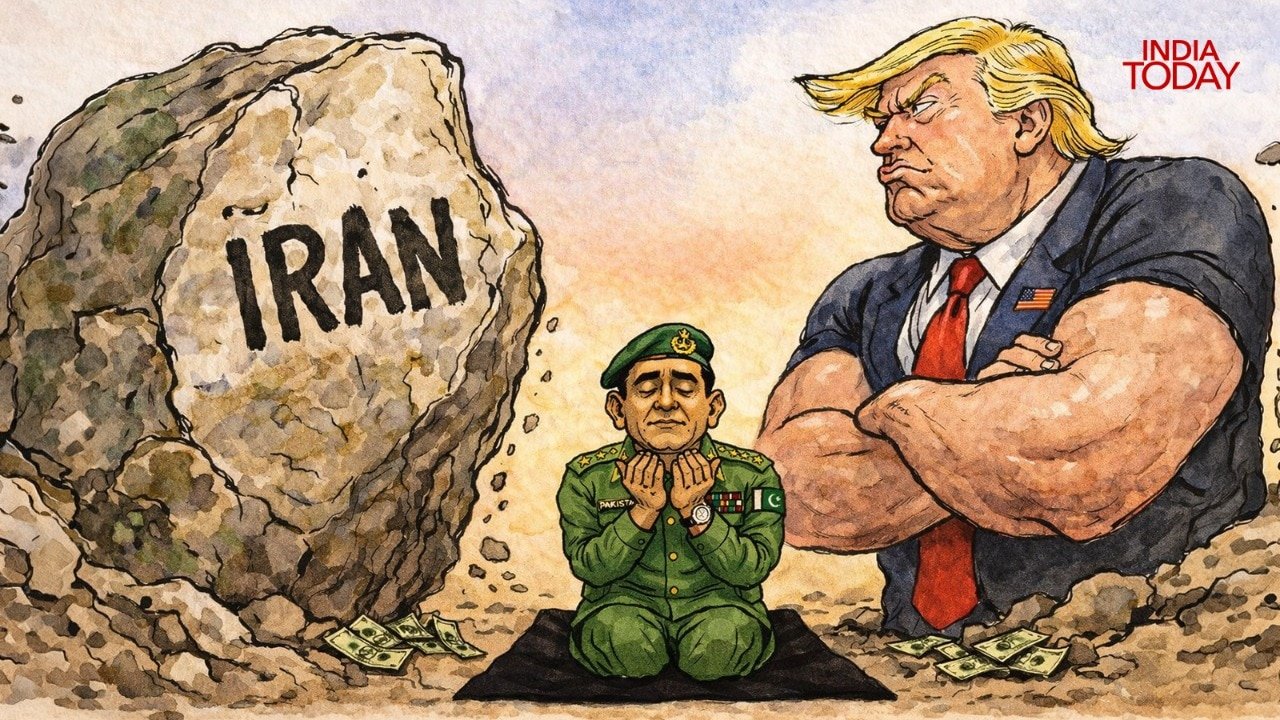
Asim Munir’s Political Outlook
In the realm of international politics, few dynamics are as compelling as the shifting tides in the United States. Recently, Asim Munir, the Chief of Army Staff of Pakistan, has stirred discussions with his apparent hopes for a swift victory for Donald Trump in the upcoming elections. This sentiment reflects broader anxieties regarding regional stability and the evolving Pakistan-U.S. relationship.
The Context of Munir’s Statement
Asim Munir’s remarks come at a time when Pakistan faces significant challenges both economically and politically. The relationship with the United States has been complex, characterized by periods of cooperation and tension. Munir’s optimism for a Trump victory appears to be grounded in the belief that a Republican administration may adopt policies more favorable to Pakistan.
Historical Relations with the U.S.
Historically, U.S. involvement in South Asia has fluctuated based on political leadership and strategic interests. Under Trump, there were moments of both criticism and tacit support for Pakistan, especially in the context of counterterrorism efforts. Asim Munir possibly sees a potential for more consistent engagement and funding under a Trump presidency.
Economic Implications
Pakistan is grappling with economic turmoil, and the echoes of U.S. foreign policy decisions resonate profoundly in its financial health. Munir’s perspective may highlight a desire for a boost in economic ties. A swift Trump win could signal a shift back to policies that may prioritize U.S.-Pakistan relations without the complications seen in recent administrations.
Regional Stability Concerns
Furthermore, the geopolitical landscape in South Asia is under constant transformation. With rising tensions in neighboring India and Afghanistan, Asim Munir’s focus on a quick Trump victory hints at a longing for stability in their engagements. A more predictable U.S. response might help mitigate some of these regional tensions.
Decisions Influenced by Domestic Politics
The hopes of Munir also reflect the broader trend where foreign policy is significantly influenced by domestic political agendas. The stakes for the upcoming elections are high, not only for the U.S. but also for nations that rely heavily on its diplomatic and economic policies.
The Global Political Landscape
As global politics evolves, leaders like Asim Munir navigate through uncertainties and strive to secure favorable outcomes for their country. The anticipation of a Trump victory is perhaps an indication of the complex nature of political alliances shaped by individual aspirations and regional necessities.
A Call to Action
As the election looms, it remains to be seen how these sentiments will translate into actual diplomatic relations. Observers are keenly watching whether Munir’s hopes align with the actions that follow a potential Trump re-election, or if they will remain merely aspirational amidst the wider political discourse.
Conclusion
In conclusion, Asim Munir’s desire for a quick Trump win underscores the intricate interplay between regional leadership ambitions and global political shifts. As events unfold, the implications for nations like Pakistan will be pivotal in shaping not just local but global geopolitics.