
Ex-PM Oli’s Arrest Sparks Outrage
The recent arrest of former Prime Minister K.P. Sharma Oli has ignited widespread protests in Kathmandu. Supporters of Oli took to the streets, expressing their anger and discontent with the government’s actions. The arrest was made on charges related to corruption and abuse of power, which has led to significant backlash from his loyal supporters.
Clashes Between Protesters and Police
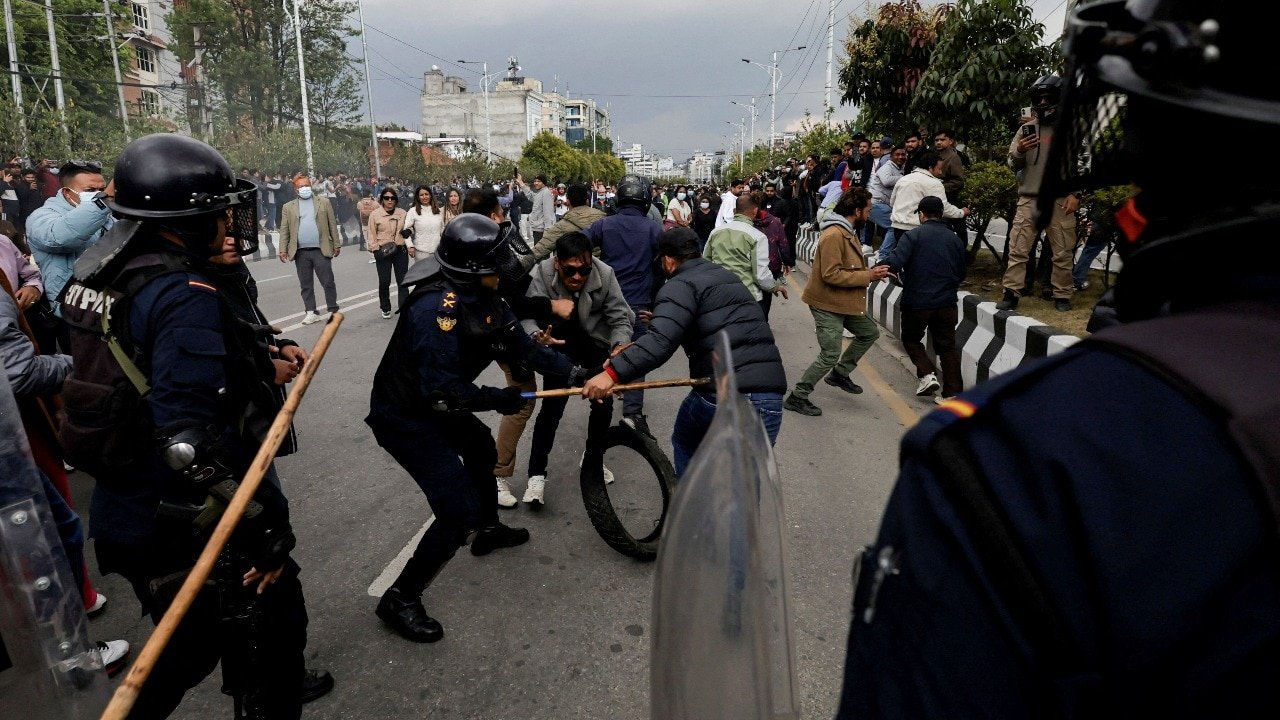
As the demonstration intensified, confrontations between protesters and police became inevitable. In various parts of the city, supporters of Oli clashed with law enforcement officers, resulting in a tense atmosphere. The police responded with tear gas and batons in an attempt to maintain order, while protesters called for justice and accountability in the political system.
Political Climate in Nepal
The political landscape in Nepal has been tumultuous, particularly following Oli’s tenure as Prime Minister. His leadership saw significant developments, but it was also marred by controversies and allegations. Critics argue that the arrest is politically motivated, aiming to suppress dissent against the current government.
Oli’s Supporters Rally in Numbers
Despite the police crackdown, thousands of Oli’s supporters have continued to gather in key areas across Kathmandu. They carry banners and chant slogans demanding his release, showcasing a resilient spirit among the former PM’s followers. The protests signify a broader discontent with the ruling government, reflecting lingering divisions in the country.
Calls for Dialogue and Resolution
Political analysts speculate that the government must address the concerns of the protesters to avoid further escalation. There are calls for dialogue among political factions to foster understanding and restore stability. Many believe that a compromise is essential for the future of Nepal’s democracy.
Impact on the Nepali Political Scenario
This escalating situation could have lasting implications for the political future of Nepal. As tensions rise, leaders from various parties are watching closely, aware that public sentiment can shift rapidly in a volatile environment. The outcome of these protests may very well influence upcoming elections and shape the trajectory of the nation.
International Reactions to the Crisis
Reactions from international observers have also emerged, with concerns raised about the state of democracy and governance in Nepal. Human rights organizations are urging the government to respect the rights to free speech and assembly, essential components of a healthy democratic society.
Conclusion: The Future of Nepal’s Politics
As the protests continue, what remains critical is how the government will respond to the demands of the people. The unfolding situation surrounding Oli’s arrest could indeed redefine the political dynamics in Nepal. Citizens await the next steps with bated breath, hoping for a resolution that promotes justice and stability in the nation.