
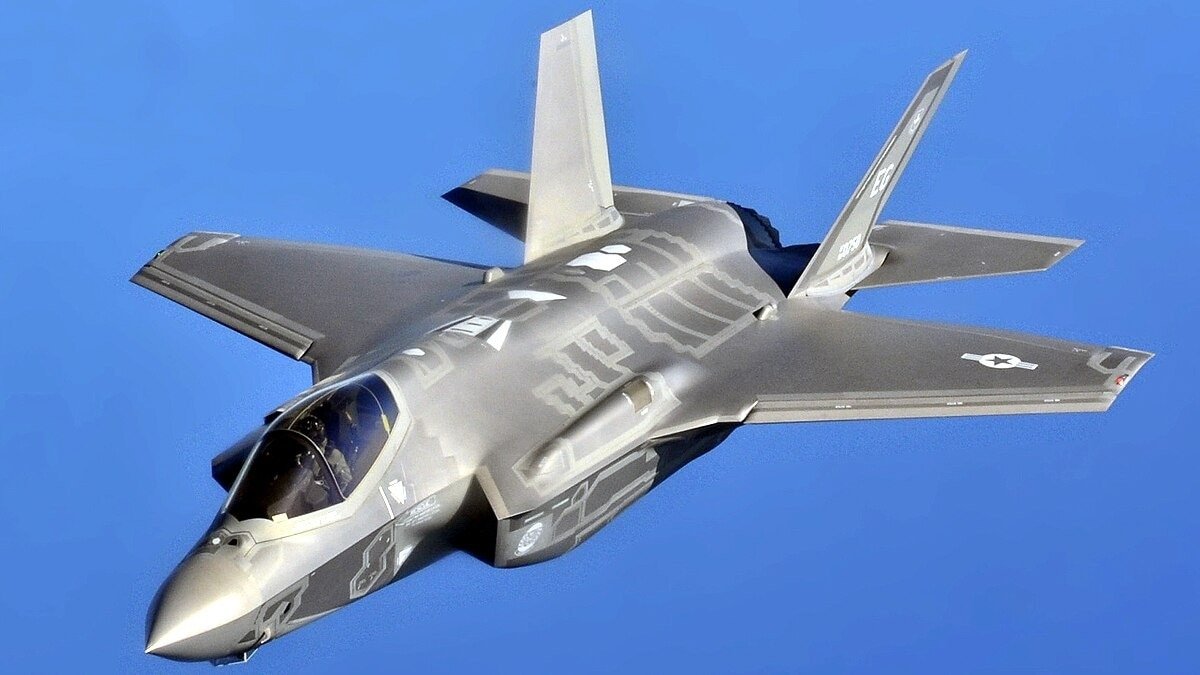
US Military Faces Major Setback in Iran Conflict
In a tumultuous episode that has marked a new chapter in the ongoing conflict in Iran, the United States has reported the loss of 16 aircraft. This incident highlights the significant challenges that the U.S. military faces in navigating the complexities of modern warfare in the region.
Details of the Incident
The U.S. aircraft, which included both manned and unmanned machines, were reportedly downed due to a combination of advanced Iranian radar technology and electronic warfare capabilities. The efficiency with which these radar defences operated has raised alarms among military strategists, prompting a thorough review of current operations and the protective measures in place.
Advanced Radar Technologies
Iran has developed an array of sophisticated radar systems that have proven effective against aerial threats. These advancements are not merely a testament to engineering prowess; they pose serious implications for U.S. military planning in the region. The incidents have exposed vulnerabilities in the American fleet, particularly in how they interact with advanced enemy radar.
Military Experts Weigh In
Defense analysts suggest that the U.S. military must reassess its strategies for aerial operations over Iran. The ability of Iranian forces to detect and engage U.S. aircraft with relative success indicates a need for the U.S. to upgrade its countermeasures. Investing in stealth technology and electronic warfare is becoming increasingly critical.
Political Ramifications
This situation raises profound political questions as well. With tensions escalating, these losses could influence the U.S. government’s diplomatic strategies moving forward. Calls for serious discussions about military engagement policies in the Middle East are growing louder amidst public concerns over rising casualties.
Public and Government Reactions
The American public is increasingly aware of the stakes involved in foreign military operations, and the news of lost aircraft is likely to spark debate among lawmakers. In Congress, some members are advocating for a reevaluation of U.S. involvement in the region, citing both human and financial costs.
Potential Future Actions
In light of this incident, the U.S. military may consider a range of responses, from reassessing drone deployment strategies to enhancing training for pilots and ground personnel. Additionally, fostering alliances with regional partners could help mitigate some risks associated with aerial operations, creating a multi-faceted approach to modern warfare.
Looking Ahead
The loss of 16 aircraft marks a significant moment not just for the U.S. military but also for global power dynamics in the Middle East. As the situation unfolds, it will be crucial for military and political leaders to adapt and ensure that operations are conducted safely and effectively, while considering the implications of their strategies on international relations.
Conclusion
This development underscores the urgent need for innovation and resilience within the U.S. forces as they confront modern threats. The broader implications of these losses may set the stage for future policy changes, affecting everything from military funding to engagement strategies in volatile regions such as Iran.