
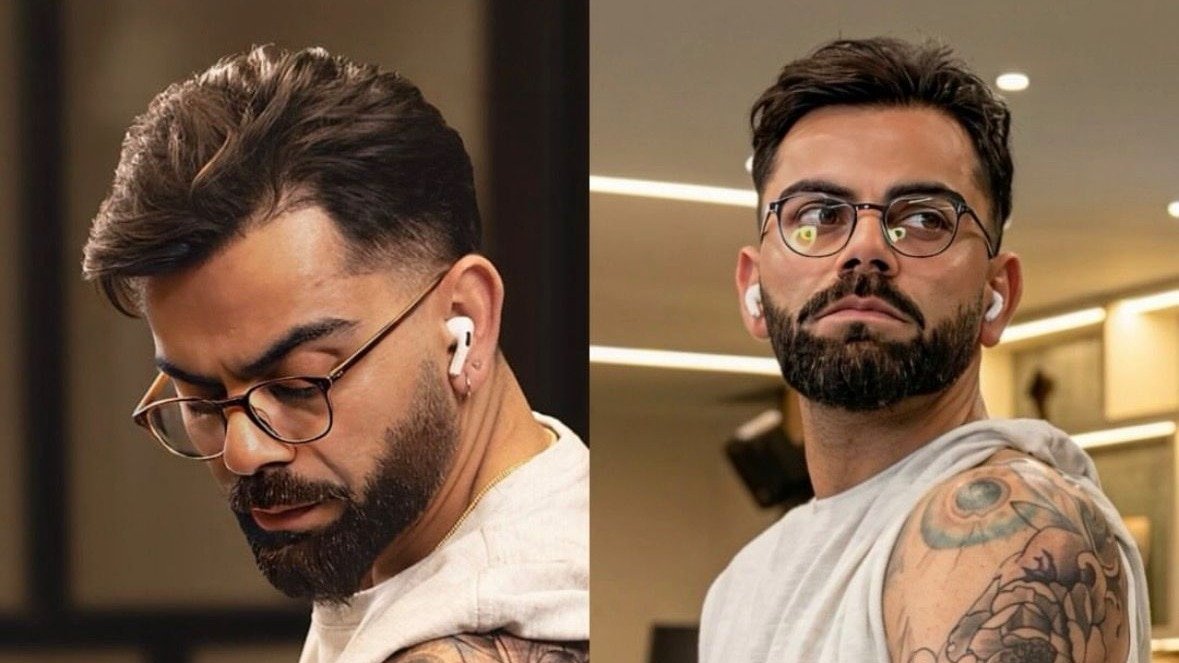
Virat Kohli’s New Vegan Tattoo
Virat Kohli, the celebrated Indian cricketer, has recently made headlines with his latest tattoo featuring a vegan theme. This decision has not only drawn the attention of fans but has also sparked a broader conversation about the safety of tattoo inks and the rise of vegan options in the industry.
Understanding Vegan Tattoo Inks
As the discussion around Kohli’s tattoo gains traction, many are curious about what vegan tattoo inks really entail. Unlike conventional inks, vegan inks are touted as cruelty-free, meaning they contain no animal-derived ingredients and are not tested on animals. These inks are usually crafted from plant-based or synthetic materials and come in a variety of colors.
However, experts caution that the difference between vegan inks and traditional inks may not be as significant as some might think. Traditional black or colored tattoo inks can contain animal products, and not all inks are subjected to humane testing standards.
The Rise of Quantum Ink
A prominent example of modern vegan tattoo ink is Quantum Ink, which has gained popularity among tattoo artists for its quality and formulation. This ink is characterized by being cruelty-free and made from natural ingredients such as olive oil, cocoa butter, and rosehip oil. Furthermore, it is free from acrylic components and is lab-tested for safety.
Tattoo artists point out that inks like Quantum Ink meet the contemporary demand for safer and skin-friendly products. They affirm that with appropriate aftercare, tattoos done with high-quality inks can sustain their vibrancy for up to 3–4 years.
Insights from Tattoo Artists
According to artists in the tattooing community, the introduction of vegan inks like Quantum Ink aligns with a growing preference for more conscientious tattoos. These professionals stress the importance of using safe inks and following proper care techniques to ensure the longevity of tattoos.
What Dermatologists Are Saying
Dermatology expert Dr. Deepali Bhardwaj offers a balanced perspective on the vegan tattoo trend, asserting that much of the difference is psychological rather than medical. She notes, “There is no major difference between black ink tattoos and vegan tattoos. It really depends on an individual’s skin sensitivity.”
Dr. Bhardwaj reassures that tattoos do not inherently increase the risk of skin cancer. She states that while choosing vegan ink may resonate with personal beliefs, it does not represent a significant health upgrade.
Factors Influencing Tattoo Safety
Experts opine that the safety and longevity of tattoos hinge on several factors, including skin sensitivity, the quality of ink used, hygiene during the tattooing process, and proper aftercare. While labels like ‘vegan’ can sway consumer perception, they do not automatically negate health risks.
The Bigger Picture
Ultimately, the conversation surrounding vegan tattoos reflects a larger shift towards conscious consumer choices in the beauty and body art sectors. As dermatologists underscore, safe tattooing emphasizes quality and care over labeling; it’s about understanding one’s skin and preferences.
Conclusion
Virat Kohli’s tattoo serves as a catalyst for examining the evolving landscape of tattoo inks and consumer choices. For both enthusiasts and cautious individuals, the insights from tattoo artists and dermatologists are pivotal in making informed decisions in this realm.