
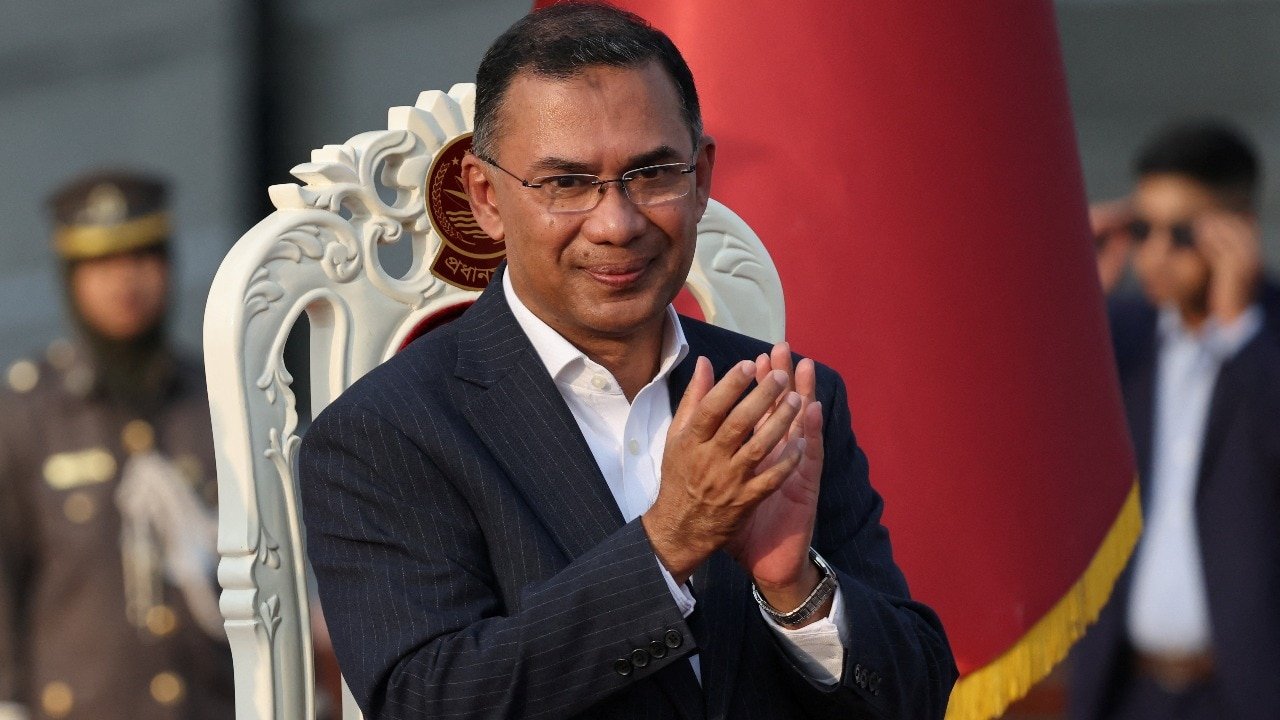
Tarique Rahman Issues Stark Warning on Genocide
In a recent statement, Tarique Rahman, the senior leader of the Bangladesh Nationalist Party (BNP), has made headlines with an alarming message regarding the potential for genocide. His remarks have raised eyebrows not just in Bangladesh but also across the borders in Pakistan, as they hint at a significant shift in political rhetoric that could impact relations between the two nations.
Political Context of Rahman’s Message
Rahman’s comments come amid growing tensions within Bangladesh, as various political factions grapple for power in a rapidly changing landscape. His assertion that the ruling party is paving the way for mass violence against dissenting voices resonates with many Bangladeshis who fear for their safety and human rights under the current regime.
This tough stance may reflect a broader disenchantment with Pakistan’s political maneuvering and its perceived interference in Bangladeshi affairs. As sentiments of nationalism intensify, Rahman’s message signifies a potential redirection of Bangladesh’s political discourse away from Pakistan’s influence.
The Historical Context of Bangladesh-Pakistan Relations
To understand the ramifications of Rahman’s statement, it is crucial to delve into the historical relationship between Bangladesh and Pakistan. The two countries share a tumultuous past, stemming from the violent liberation war of 1971. Since then, relations have oscillated between cautious cooperation and deep-seated animosity.
Rahman’s warning strikes a chord for many who recall the genocide committed against Bengalis in 1971, a trauma still fresh in the memories of many families. His comments are eerily reminiscent of those dark times, emphasizing how history continues to shape present-day politics.
Reactions from Political Analysts and Citizens
The reaction to Rahman’s provocative message has been swift. Political analysts are divided; some see it as a necessary wake-up call to potential threats, while others caution against inflaming tensions with Pakistan unnecessarily.
Citizens too are weighing in on the debate, with many endorsing Rahman’s message, calling for vigilance against any democratic backsliding. Concerns over human rights violations under the current government have resulted in a chorus of voices demanding accountability.
How This Could Impact Future Relations
Rahman’s remarks may herald a new chapter in Bangladesh’s political narrative, suggesting a departure from traditional diplomatic relations with Pakistan. This evolution could lead to an increased emphasis on national security and sovereignty.
The implications for both countries could be profound. A shift in Bangladesh’s approach might prompt Pakistan to reevaluate its own strategies in the region, especially considering the delicate balance of power in South Asia.
Looking Ahead
As Bangladesh approaches the next elections, Rahman’s warning could galvanize public sentiment and influence voter priorities. A focus on national unity and security may feature prominently in campaign strategies as political parties respond to the populace’s fears.
For Pakistan, understanding the implications of such statements will be crucial. The country may need to adjust its foreign policy to smooth over relations with its eastern neighbor, especially as tensions escalate.
Conclusion: A Turning Point?
The implications of Tarique Rahman’s genocide warning extend far beyond political rhetoric. It prompts a reevaluation of longstanding narratives, urging both countries to reflect on their past and its impact on contemporary relations. As the political landscape evolves, it remains to be seen whether this statement indeed marks a pivotal moment in Bangladesh’s stance towards Pakistan.