
Unprecedented Oil Crisis Hits Major Energy Hubs
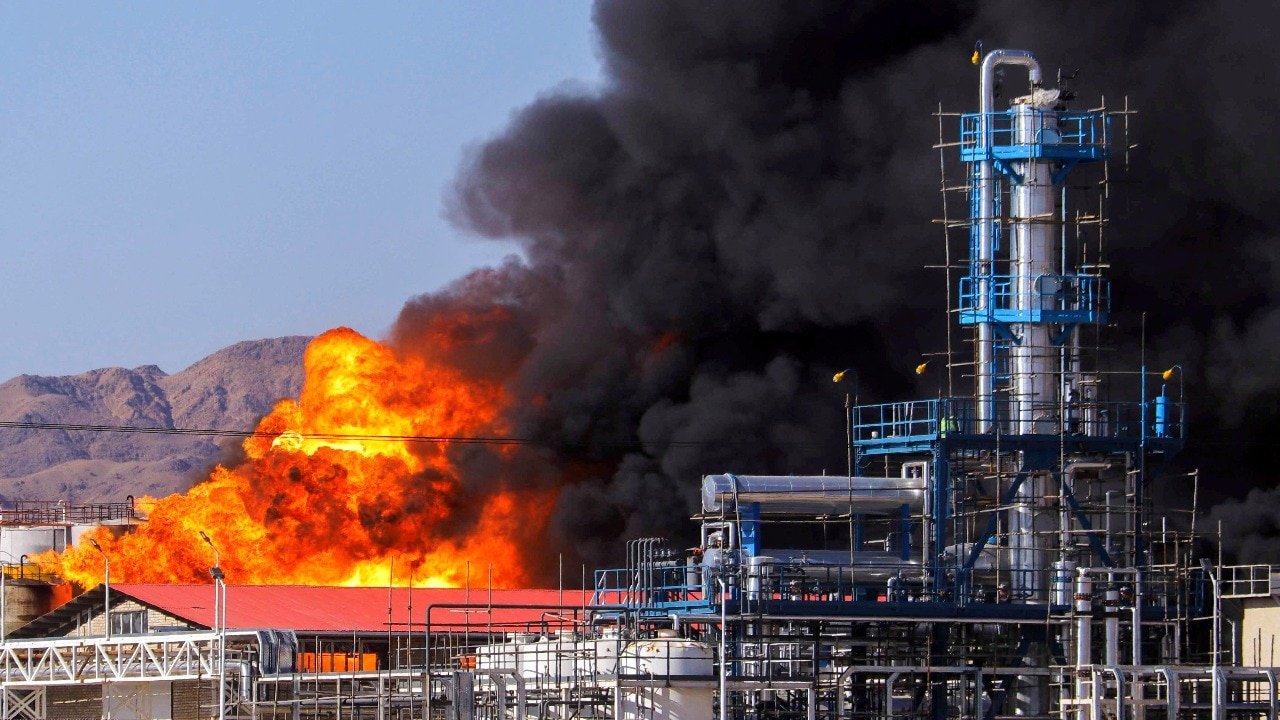
A significant disruption in the global oil market is currently underway as fires erupt in key energy hubs across the United States and Russia. This crisis is being described as potentially the largest oil disruption in history, with far-reaching implications for global energy supply and prices.
Fires Ignite in Critical Locations
Reports indicate that several oil facilities in both countries are on fire, leading to urgent calls for emergency responses. In the US, critical refineries and shipping ports that handle vast quantities of oil and gas are experiencing significant operational disruptions.
Meanwhile, in Russia, important oil processing plants near major production areas have also been engulfed in flames, raising concerns about the country’s ability to maintain its energy exports. The combined effect of these incidents is sending shockwaves through the international energy community.
The Global Impact of the Crisis
This unprecedented situation is expected to lead to a surge in oil prices worldwide. Analysts warn that if the fires continue to devastate output, we could see a significant spike in crude prices, further exacerbating inflation rates and energy costs across various sectors.
With oil serving as a critical driver of the global economy, disruptions like these can lead to cascading effects, impacting everything from transportation costs to consumer prices on essential goods.
Government and Industry Responses
In response to the unfolding crisis, both US and Russian authorities are closely monitoring the situation. Emergency response teams have been deployed to combat the fires, with the hope of minimizing damage to infrastructure and restoring operations swiftly.
Industry leaders are convening to discuss contingency plans and strategies to stabilize the energy market. The urgency is palpable as companies scramble to assess their supply chains and prepare for potential shortages.
Long-Term Implications for Energy Security
This crisis raises critical questions about the robustness of global energy security and the reliance on specific regions for oil supply. As countries around the world grapple with the realities of energy dependence, the need for diversification in energy sources is becoming increasingly clear.
Experts suggest that this could accelerate the transition towards renewable energy sources as nations reevaluate their energy policies in the wake of such a substantial disruption.
The Road Ahead
As the situation develops, monitoring the responses from both governments and market players will be essential. Stakeholders are keenly interested in how quickly the affected energy hubs can recover and what long-term strategies will be implemented to prevent a recurrence of such a crisis.
With global tensions and challenges surrounding energy supply already high, the hope is that this crisis can serve as a catalyst for change, ultimately leading to a more resilient energy future.
Conclusion
The fires raging in key energy hubs of the US and Russia represent a pivotal moment in the history of oil production and distribution. As nations prepare for the potential fallout, all eyes will be on how this unprecedented event reshapes the future of energy around the globe.