
India’s Stand on Global Politics
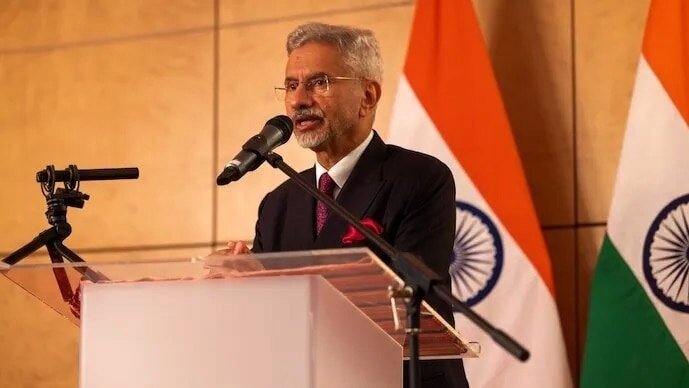
India will not position itself as a “dalal nation” in international geopolitics, stated External Affairs Minister S. Jaishankar during an all-party meeting that addressed the ongoing crisis in West Asia. This meeting took place in the backdrop of rising concerns regarding Pakistan’s potential role in mediating discussions between the United States and Iran.
The meeting, attended by key leaders such as Defence Minister Rajnath Singh, Home Minister Amit Shah, and Foreign Secretary Vikram Misri, highlights India’s firm stance on its foreign policy. The assembly came right after Pakistani Prime Minister Shehbaz Sharif expressed Islamabad’s readiness to facilitate talks between the US and Iran to end the ongoing conflict.
Pakistan’s Mediation Proposal
Prime Minister Shehbaz Sharif publicly declared that Pakistan would be “honoured” to host meaningful discussions aimed at a comprehensive resolution of issues between the US and Iran. His statements came via a post on social media platform X, suggesting the necessity of consent from both parties to proceed with any negotiations.
This call for dialogue was echoed amidst reports indicating that Pakistan, alongside Egypt and Turkiye, is reportedly involved in backchannel negotiations to ease tensions in West Asia. Sharif further spoke with Iranian President Masoud Pezeshkian, emphasizing the urgency of de-escalation amid heightened hostilities.
US Signals Diplomatic Efforts
In a related development, US President Donald Trump also shared Sharif’s comments on Truth Social, amplifying the message of potential diplomatic talks. Trump indicated that Washington might delay its military strikes on Iranian targets, mentioning that recent discussions with Tehran were “very good and productive.”
However, details on Iranian representatives in these discussions remain undisclosed. Reports point towards Pakistan’s military leadership playing a crucial role in facilitating these conversations effectively.
Escalating Conflict in the Region
The conflict that originated from coordinated US and Israeli strikes on Iran on February 28, leading to the death of Supreme Leader Ayatollah Ali Khamenei, has now extended into its fourth week. This escalation spurred retaliation from Iran, exacerbating tensions across the Gulf.
As the situation develops, Pakistan’s Foreign Office has called for caution and restraint, advising against speculation regarding possible talks. They have emphasized that effective diplomacy often requires a veil of discretion, suggesting that formal announcements regarding negotiations should be awaited.
Conclusion
As nations draw lines in the sand over their allegiances in the region, India’s position under Jaishankar sends a strong message. The nation is determined to navigate the complex landscape of international relations without compromising its integrity. With tensions continuing to rise in West Asia, the unfolding events will undoubtedly have significant implications for global diplomatic efforts.
The commitment to not act as a ‘dalal nation’ exemplifies a broader ambition for India to assert its influence while maintaining a nuanced approach in diplomatic affairs.