
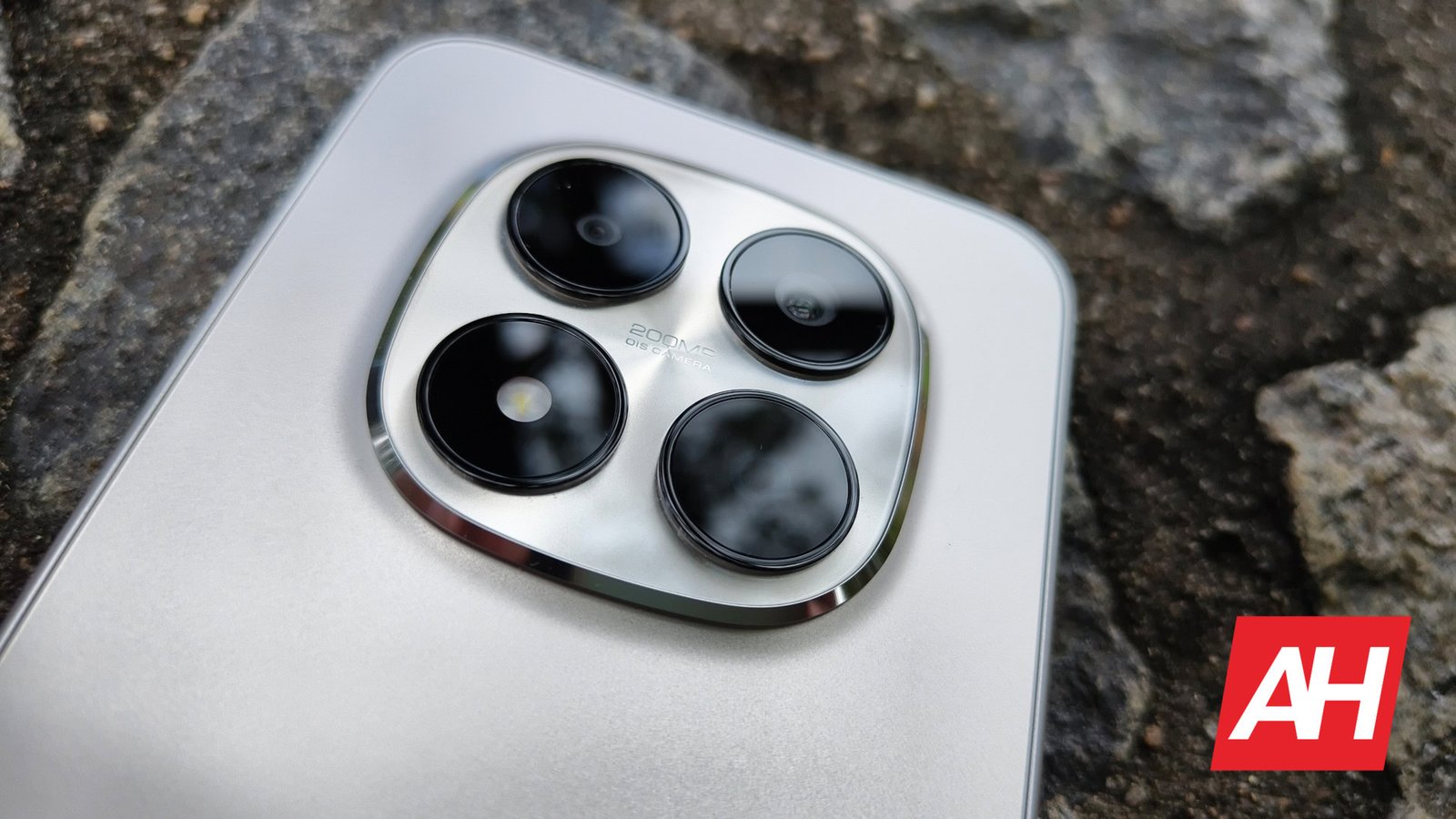
In the world of technology, we are accustomed to a very specific trajectory: components get faster, materials get more premium, and features that were once ‘flagship-only’ eventually trickle down to the budget masses. However, according to a recent report from Android Headlines, 2026 is set to break that cycle in a way that might leave consumers feeling a bit of ‘material’ whiplash.
Welcome to The NewsCutlet, where we slice through the noise to bring you the most critical updates in the tech world. Today, we are diving deep into the looming RAM crisis and how it is forcing smartphone manufacturers to make some tough—and potentially unpopular—decisions regarding build quality.
The Crisis: Why RAM is Eating the Budget
The heart of the issue is a global surge in the cost of memory. While we often think of RAM in terms of our phones and laptops, the massive explosion in Artificial Intelligence (AI) development has created an insatiable demand for high-performance memory in data centers. This ‘AI Tax’ is trickling down to the consumer market.
Smartphone manufacturers are finding themselves in a vice grip: they need to include higher amounts of RAM to support on-device AI features (which are the current marketing goldmine), but the cost of that RAM is skyrocketing. To keep mid-range and budget phones at their respective price points, something has to give. In 2026, it looks like that ‘something’ is the premium feel of the device itself.
What’s on the Chopping Block?
To offset the ballooning costs of internal components, manufacturers are expected to return to cost-saving measures that we thought were relics of the 2010s. Here are the primary areas where you’ll likely see a shift:
- The Return of Plastic (Polycarbonate) Frames: For the last few years, even mid-range devices have flirted with aluminum or high-quality alloy frames to provide a ‘premium’ hand-feel. In 2026, expect a widespread return to plastic. While durable, it lacks the heat dissipation and structural rigidity of metal.
- Hybrid SIM Slots: While many users prefer dedicated microSD slots, the hybrid slot (which forces you to choose between a second SIM or extra storage) is cheaper to implement. We may even see a total removal of expandable storage in some budget tiers to save on motherboard complexity.
- Display Downgrades: While refresh rates might stay high for marketing purposes, we may see a return to less-durable Gorilla Glass versions or even cheaper display substrates that don’t offer the same peak brightness or color accuracy.
- Slower Charging Tech: Rapid charging requires expensive cooling solutions and proprietary controllers. To save pennies per unit, brands might cap charging speeds at lower tiers than we’ve seen recently.
Commentary: The ‘Spec Sheet’ Trap
This shift highlights a fascinating, if frustrating, trend in consumer psychology. Manufacturers know that most buyers compare phones based on a few key numbers: Megapixels, Battery Capacity, and—crucially—RAM.
A consumer is more likely to buy a phone that says “12GB RAM” on the box even if it’s encased in cheap plastic, rather than a beautifully built 8GB RAM phone. By prioritizing the internal specs required to run modern software and AI, brands are effectively ‘hollowing out’ the physical quality of the device.
The Significance: This marks a transition from the “Premium for Everyone” era to a more utilitarian approach. If you are someone who keeps their phone for 3-4 years, this is bad news. Plastic frames tend to show wear and tear (scratches and scuffs) much faster than metal, and cheaper internal components could lead to shorter overall lifespans for these devices.
Is There a Silver Lining?
If there is any good news to be found, it’s that the software experience may remain robust. By sacrificing the frame and the SIM tray, manufacturers are ensuring that the phone has enough ‘brains’ (RAM) to handle future Android updates and increasingly heavy AI workloads.
However, for the tech enthusiast, 2026 might be a year of ‘wait and see.’ We might see a secondary market boom for 2024 and 2025 flagship devices that offer better build quality for the same price as a 2026 mid-ranger.
Final Thoughts
The 2026 RAM crisis is a stark reminder that the tech supply chain is fragile and deeply interconnected. As long as the world is hungry for AI, the silicon required to power it will remain a premium commodity. For the average user, it means the next upgrade might feel a little more ‘functional’ and a little less ‘fancy.’
Stay tuned to our future updates as we track how major players like Samsung, Xiaomi, and Motorola navigate these hardware hurdles. Are you willing to trade a metal frame for more RAM? Let us know in the comments!